Top Kitchen Safety Essentials: Keep Your Kitchen Accident-Free
The kitchen is one of the busiest rooms in the home, but it can also be one of the easiest places for accidents to happen. Hot pans, sharp knives, open flames, slippery floors, and curious children can all create safety risks.
The good news? A few simple safety tools can make your kitchen safer, more organized, and more family-friendly.
Here are some practical kitchen safety essentials worth keeping at home.
1. Keep a Burn First Aid Kit Nearby
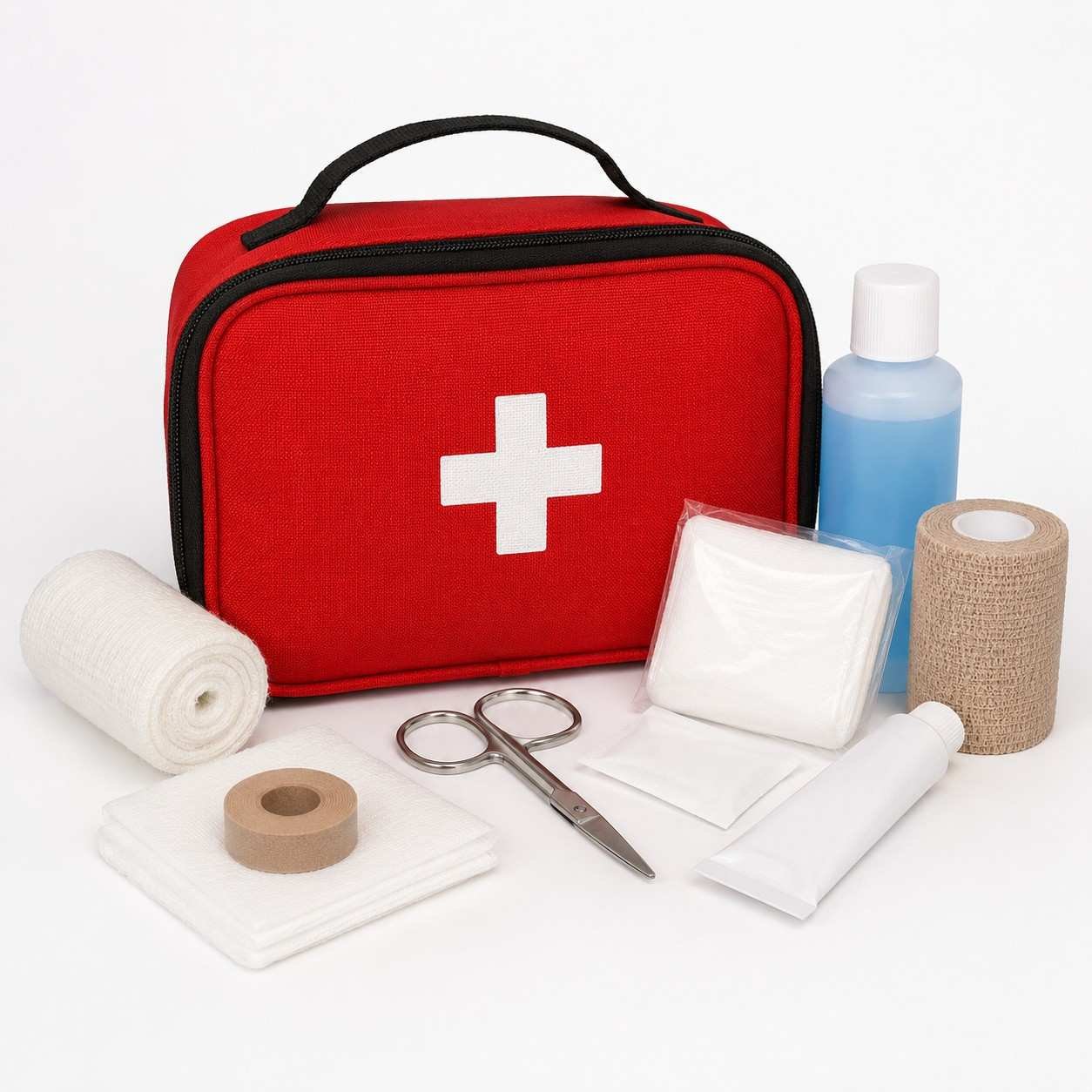
Burns can happen quickly when cooking. A hot pan, boiling water, oven tray, or splash of cooking oil can cause an unexpected injury.
A dedicated burn kit can be useful for keeping basic first-aid supplies in one easy-to-find place.
Good option: EVERLIT Burn Kit with sterile waterproof dressings, hydrogel burn dressings, burn gel, non-stick pads, gauze, and shears.
You can also consider a small burn gel or cooling burn bandages for your first-aid cabinet.
Remember: For serious or extensive burns, seek professional medical attention rather than relying on a home first-aid product.
2. Use Heat Protection for Hot Cookware
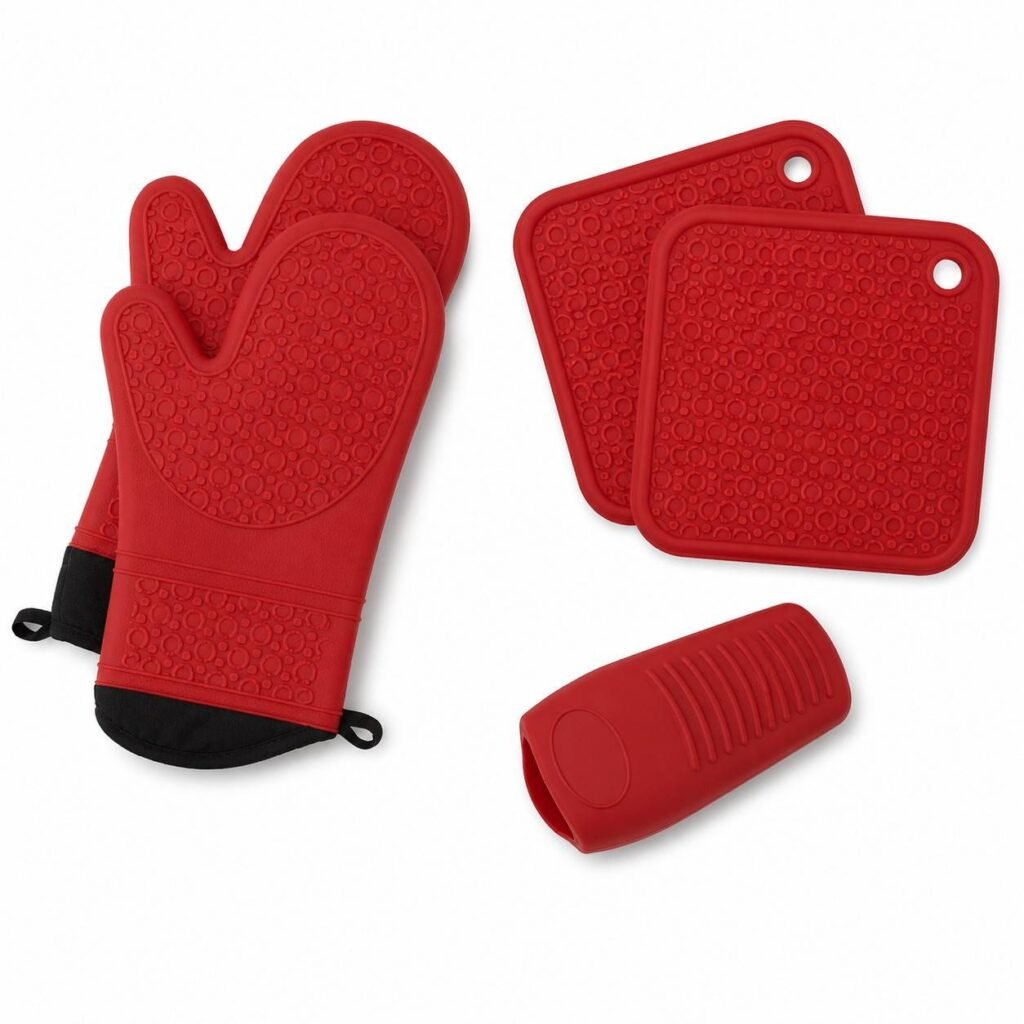
Hot cookware is another common kitchen hazard. Cast iron skillets, baking trays, and pot handles can become extremely hot.
Heat-resistant oven mitts, pot holders, and handle covers provide an extra layer of protection when moving hot cookware.
Good options include:
Choose products that provide a secure grip and always check their heat rating before use.
3. Keep a Gas Leak Detector at Home
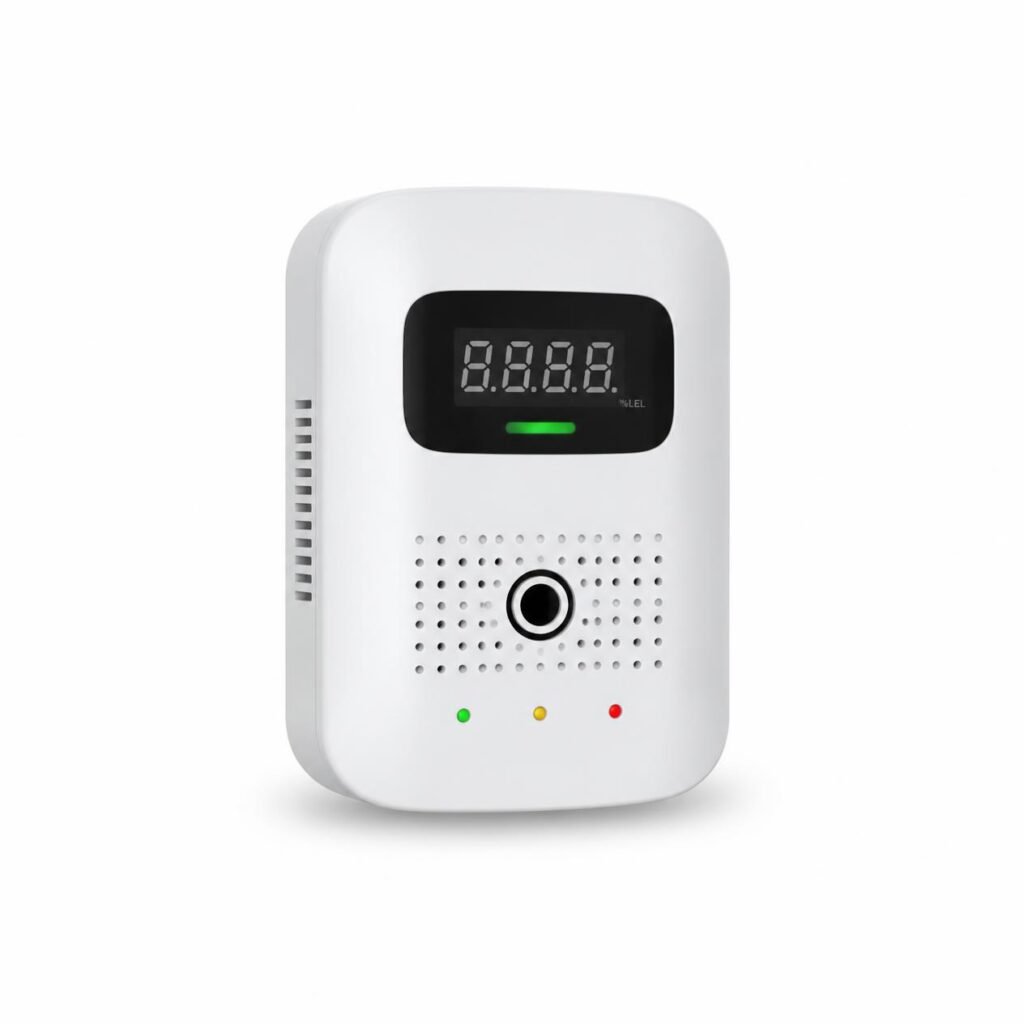
If your kitchen uses natural gas, propane, or LPG, a gas leak detector can provide an additional layer of awareness.
A portable detector can help identify combustible gas sources around the home.
A detector is not a replacement for proper installation and maintenance of gas appliances. If you suspect a gas leak, follow your local emergency guidance and avoid creating sparks or flames.
4. Store Knives Safely
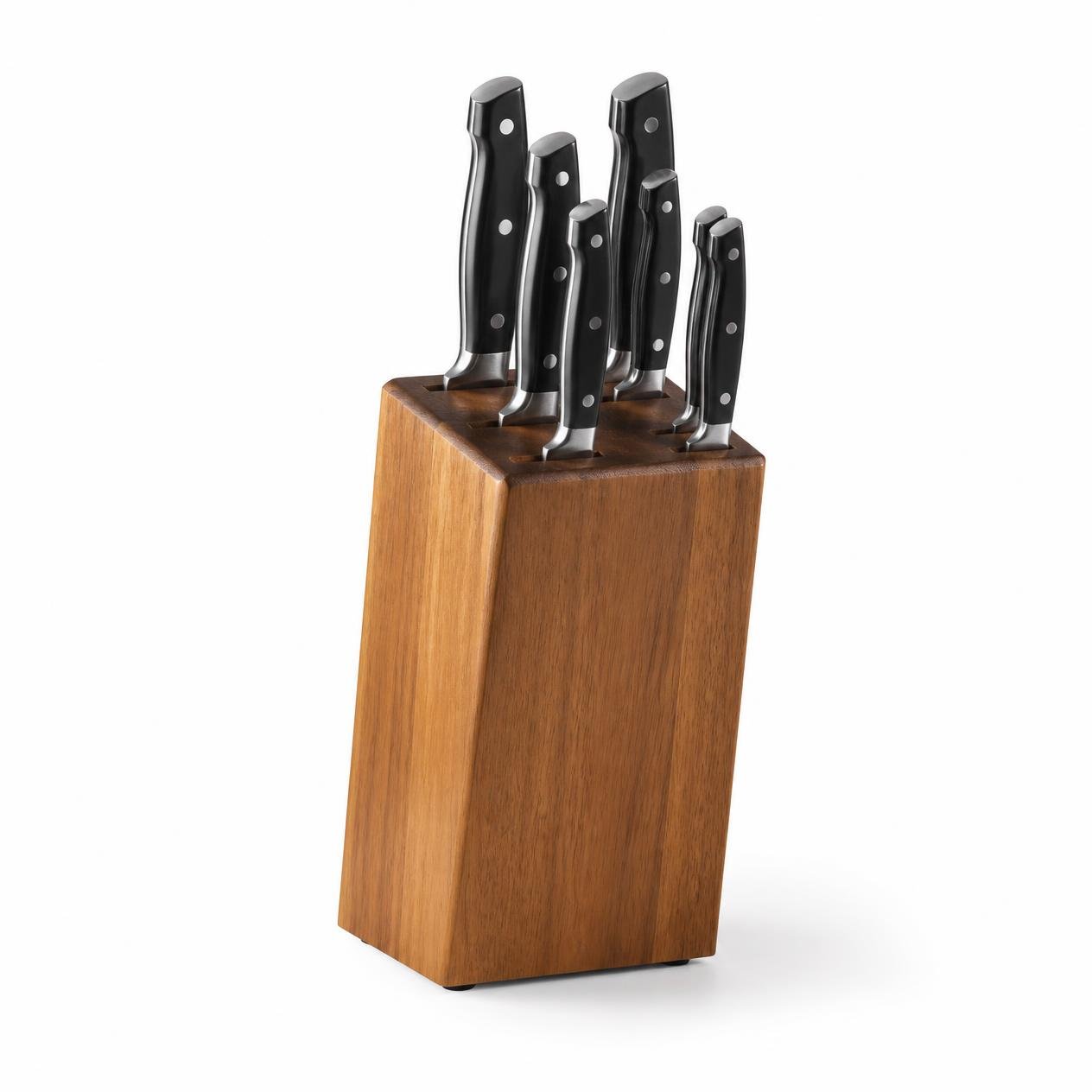
Sharp knives should have a proper storage system instead of being left loose in a drawer or on the countertop.
A knife block or secure magnetic knife holder can help keep blades organized and reduce the chance of accidentally grabbing a sharp blade.
Choose a storage solution that keeps knives secure and out of the reach of young children.
5. Consider Cut-Resistant Kitchen Gloves
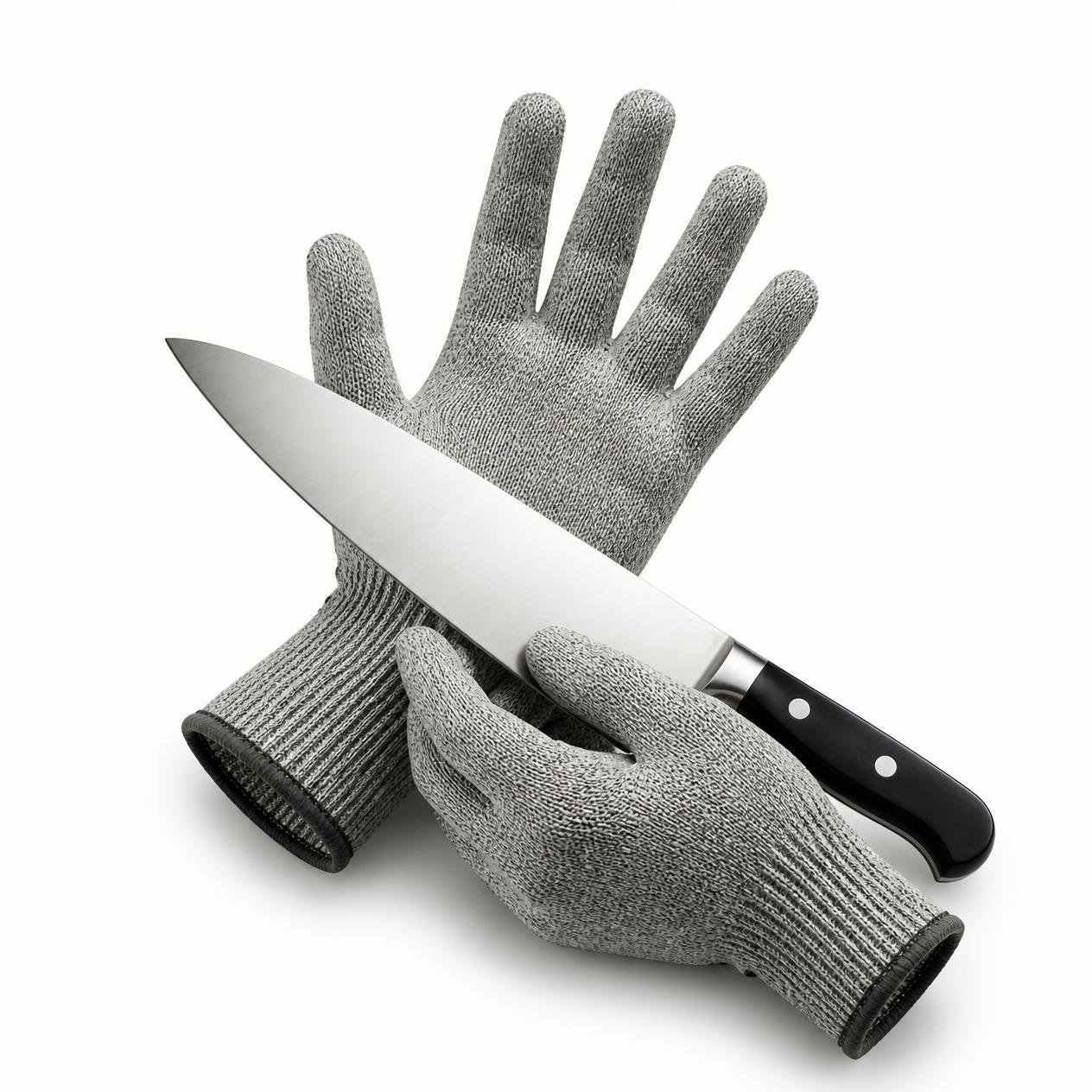
Cut-resistant gloves can be especially helpful when using mandolines, graters, or handling foods that require detailed cutting.
Remember that cut-resistant does not mean cut-proof. Always use knives and slicers carefully and follow the manufacturer’s instructions.
6. Add Child Safety Locks
If you have young children at home, kitchen cabinets and drawers may contain things they shouldn’t access, including knives, cleaning products, and other potentially dangerous items.
Child safety latches can help keep certain cabinets and drawers closed.
For additional protection around the stove, stove knob covers can help prevent children from accidentally turning controls.
Tip: Childproofing works best when combined with supervision. Keep children away from hot cooking areas whenever possible.
Adhesive Magnetic Cabinet Locks
child safety gas stove knob covers
7. Use a Non-Slip Kitchen Mat
Water, oil, and food spills can make kitchen floors slippery. A cushioned, non-slip kitchen mat can make standing more comfortable while also helping provide a more secure surface.
Make sure it stays flat and has a secure anti-slip backing. Clean up spills as soon as they happen.
Non-Slip Kitchen Mat on Amazon
8. Smoke Alarm and Carbon Monoxide Detector
Fire and carbon monoxide safety should never be overlooked.
A smoke alarm can alert you to a fire, while a carbon monoxide detector can warn you about dangerous carbon monoxide levels. NFPA recommends smoke alarms inside bedrooms, outside sleeping areas, and on every level of the home, with regular testing.
Options include:
Check the manufacturer’s instructions for installation, testing, battery replacement, and maintenance.
9. Keep a Fire Extinguisher Accessible
A suitable fire extinguisher can be an important part of a home kitchen safety plan.
Options such as the First Alert HOME2PRO Fire Extinguisher and Kidde Basic 110 Fire Extinguisher are designed for common household fire risks.
However, never put yourself in danger trying to fight a growing kitchen fire. If a fire doesn’t go out quickly or you don’t feel safe, leave the home and contact emergency services. NFPA also recommends keeping things that can burn away from the stove.
10. Consider a Fire Blanket
A kitchen fire blanket can be another useful emergency item to keep in an easily accessible location.
Emergency Fire Blanket is designed for fire suppression in home and other settings.
Keep emergency equipment somewhere that is easy to reach—not hidden behind the appliance or inside a crowded cabinet.
12. Don’t Forget Everyday Kitchen Habits
Safety products are helpful, but good habits are just as important.
A few simple habits can make a big difference:
- Keep towels, paper, and other flammable items away from the stove.
- Don’t leave cooking unattended, especially when frying.
- Keep children and pets away from hot cooking areas.
- Clean up water and oil spills quickly.
- Store sharp knives safely.
- Keep pot handles turned away from the edge of the stove.
- Wash your hands before, during, and after food preparation.
- Keep raw meat, poultry, seafood, and eggs separate from ready-to-eat foods.
FoodSafety.gov recommends the basic food-safety approach of Clean, Separate, Cook, and Chill to help reduce foodborne illness risks at home.
A Safer Kitchen Starts With Small Steps
You don’t need to turn your kitchen into a safety laboratory. Start with the essentials: burn first aid, heat protection, safe knife storage, child locks, non-slip mats, gas detection, smoke and carbon monoxide alarms, and fire safety equipment.
More importantly, combine these tools with smart everyday habits. Keep your cooking area organized, clean spills quickly, supervise children around hot appliances, and know what to do if an emergency occurs.
A safer kitchen isn’t just about preventing accidents—it’s about creating a space where you can cook with greater confidence and peace of mind.
Note: Product prices, availability, and specifications can change. Always check the manufacturer’s instructions and current product information before purchasing or using any safety product.