Taking care of your clothes is about more than simply putting them in the washing machine. Different fabrics need different washing, drying, ironing, and storage methods to stay looking their best.
The good news is that you don’t need a closet full of complicated equipment. A few useful fabric care tools can make laundry easier, help protect delicate clothing, and keep your favorite pieces looking fresh for longer.
In this guide, we’ll cover the most common fabric types, simple care tips, essential fabric care tools, and useful clothing storage gadgets.
Fabric Categories & How to Care for Them
Before choosing a fabric care tool, it’s important to understand what your clothing needs. Always check the garment’s care label first, as specific instructions can vary.
1. Cotton
Cotton is one of the easiest fabrics to care for and is commonly used for T-shirts, shirts, dresses, towels, and bedding.
How to wash:
Wash according to the care label. Cold or lukewarm water is often suitable for everyday cotton clothing.
How to dry:
Air-drying can help reduce shrinkage. If using a dryer, choose a suitable temperature recommended on the label.
How to iron:
Cotton can usually handle moderate to higher heat, but check the care label before ironing.
Care tip:
Avoid unnecessary high heat if you want to minimize shrinking and fading.
2. Wool & Cashmere
Wool and cashmere are warm, soft, and delicate fabrics that require more careful handling.
How to wash:
Follow the care label carefully. Some garments require hand washing, while others may allow a gentle wool or delicate cycle.
How to dry:
Never wring wool or cashmere. Gently remove excess water and lay the garment flat on a clean towel to dry.
How to iron:
Use low heat or gentle steam when permitted.
Care tip:
A sweater comb can gently remove small pills and fuzz without needing to wash the garment again.
3. Silk
Silk is delicate and can easily be affected by heat, friction, and harsh detergents.
How to wash:
Follow the care label. When hand washing is permitted, use gentle handling and an appropriate detergent.
How to dry:
Do not wring silk. Keep it away from strong, direct sunlight while drying.
How to iron:
Use very low heat or gentle steam according to the care instructions.
Care tip:
Turn silk garments inside out before ironing and use a protective ironing cloth when appropriate.
4. Linen
Linen is breathable and comfortable but is naturally prone to wrinkles.
How to wash:
Use cold or lukewarm water and a gentle cycle when appropriate.
How to dry:
Air-drying is a good option. Avoid excessive drying heat when possible.
How to iron:
Iron linen while it is slightly damp for easier wrinkle removal.
Care tip:
Don’t over-dry linen because completely dry fabric can be more difficult to smooth.
5. Polyester & Synthetic Fabrics
Polyester and other synthetic fabrics are common in activewear, jackets, dresses, and everyday clothing.
How to wash:
Follow the care label and use the recommended water temperature.
How to dry:
Air-drying or low-temperature drying is often preferable.
How to iron:
Use low to medium heat because excessive heat can damage some synthetic fibers.
Care tip:
Consider using a specialized washing bag for synthetic garments to help capture loose textile fibers during washing.
6. Denim
Jeans and other denim clothing are durable but can lose color and shape with unnecessary washing and excessive heat.
How to wash:
Turn denim inside out and use cold water when the care label allows.
How to dry:
Air-drying can help reduce fading and unnecessary heat exposure.
How to iron:
Ironing is often unnecessary, but moderate heat can be used when needed and permitted.
Care tip:
Avoid washing denim more frequently than necessary and always follow the manufacturer’s care instructions.
7. Delicate & Blended Fabrics
Blended fabrics can contain multiple fibers, making their care requirements different from pure cotton, wool, or linen.
How to wash:
Use the gentlest appropriate washing cycle and follow the care label.
How to dry:
Air-dry delicate pieces whenever the instructions permit.
How to iron:
Use the temperature recommended for the most heat-sensitive fiber in the blend.
Care tip:
A delicate laundry bag can help reduce tangling and friction during machine washing.
Essential Fabric Care Tools
Having the right tools nearby can make everyday clothing care much easier. Here are some useful additions to consider.
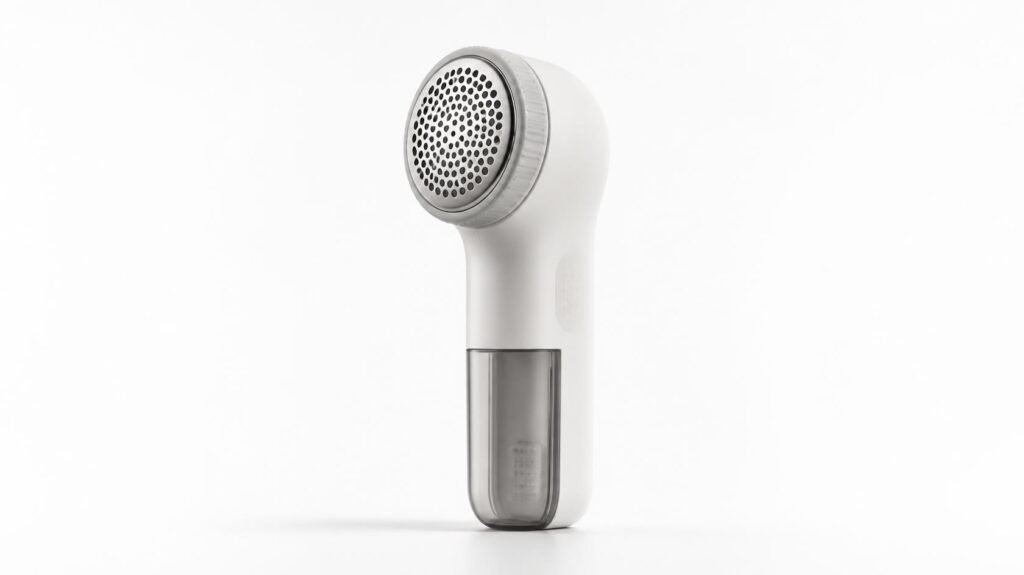
1. Fabric Shaver
Fabric shavers are designed to remove small pills, fuzz, and loose fibers from clothing. They’re especially useful for sweaters, knitwear, coats, blankets, and other fabrics that develop a worn or fuzzy appearance over time.
A good fabric shaver can give older garments a cleaner appearance without replacing them.
Best for: Sweaters, knitwear, coats, blankets, and upholstery.
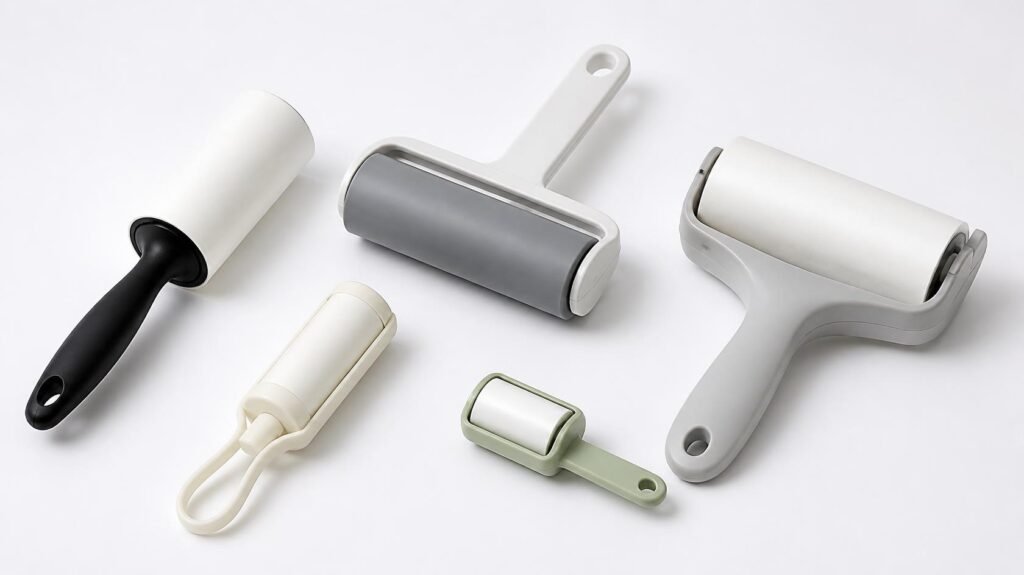
2. Lint Roller
A lint roller is one of the simplest fabric care tools to keep at home. It quickly picks up lint, hair, dust, and small fibers from shirts, pants, coats, furniture, and other fabric surfaces.
It’s especially handy before leaving home when clothing needs a quick refresh.
Best for: Everyday clothing, coats, upholstery, pet hair, lint, and dust.
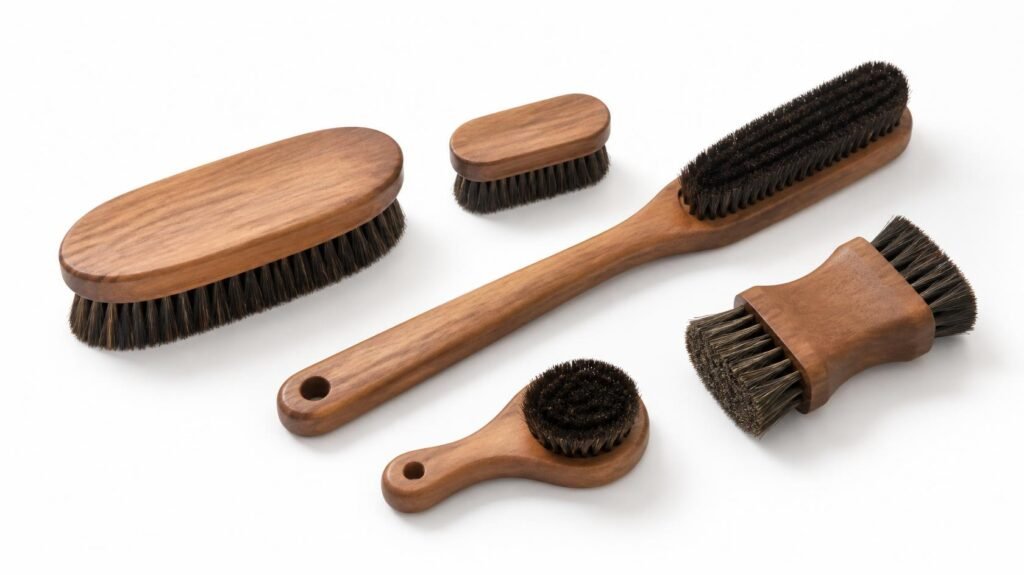
3. Boar Bristle Clothes Brush
A boar bristle clothes brush is a traditional way to remove dust, lint, hair, and surface debris from clothing.
It’s particularly useful for coats, wool garments, suits, jackets, and other structured clothing that benefits from gentle brushing rather than frequent washing.
Best for: Wool coats, suits, jackets, sweaters, and everyday garments.
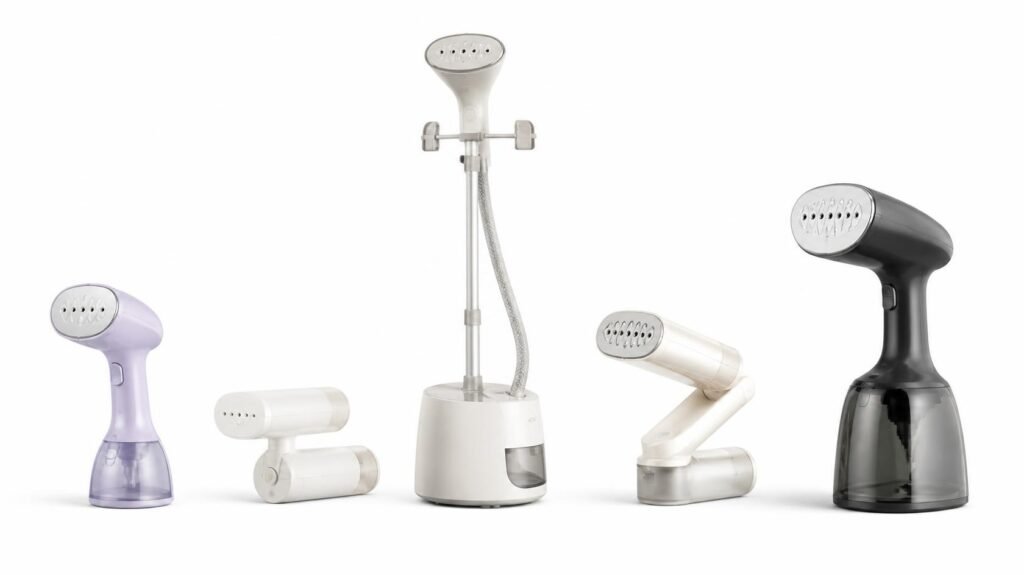
4. Clothes Steamer
A clothes steamer makes it easy to remove wrinkles without setting up a traditional ironing board.
It’s useful for dresses, shirts, jackets, curtains, and garments that need a quick refresh before wearing. A compact handheld model can also be convenient for travel.
Best for: Wrinkled shirts, dresses, jackets, curtains, and delicate garments suitable for steaming.
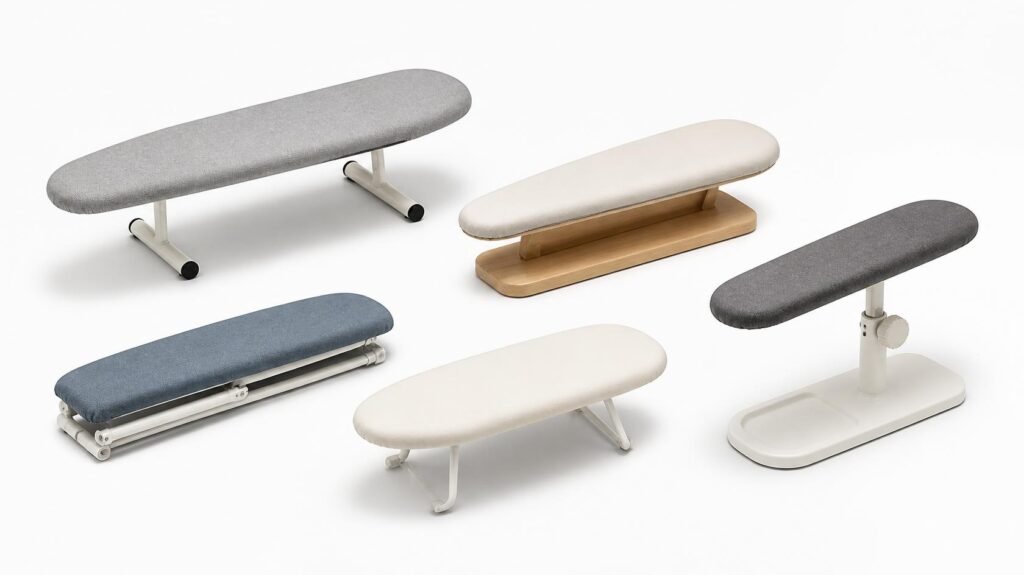
5. Sleeve Board
A sleeve board is a small, narrow ironing surface designed for areas that are difficult to iron on a standard ironing board.
It makes sleeves, cuffs, narrow sections, and other hard-to-reach areas easier to press neatly without creating unwanted creases.
Best for: Shirt sleeves, cuffs, children’s clothing, narrow garments, and detailed ironing.
6. Protective Ironing Cloth
A protective ironing cloth creates a barrier between the hot iron and the garment.
It can be particularly useful when ironing delicate fabrics or garments that may be vulnerable to direct heat or unwanted shine. Always follow the garment and ironing cloth instructions before use.
Best for: Delicate fabrics, dark garments, sensitive materials, and detailed ironing.
7. Sweater Comb
Sweater combs are designed to gently remove pills and fuzz from knitted clothing.
They’re especially useful for wool, cashmere, sweaters, cardigans, and other garments that develop small fabric balls with regular wear.
Use gentle strokes and avoid pressing too hard against delicate materials.
Best for: Wool, cashmere, sweaters, cardigans, and knitwear.
8. Stain Remover Pen
A stain remover pen is a convenient tool for treating small spills and stains before they become more difficult to remove.
It’s particularly useful for keeping in a laundry area, handbag, office, or travel bag. Always check whether the product is suitable for the specific fabric before applying it.
Best for: Small food spills, drink stains, makeup marks, and everyday accidents.
9. Delicate Laundry Bags
Delicate laundry bags provide an extra layer of protection for clothing during machine washing.
They can help reduce tangling, snagging, and excessive friction for delicate garments, lingerie, socks, knitwear, and other smaller pieces.
Best for: Delicates, lingerie, knitwear, socks, and small garments.
Simple Fabric Care Rules Everyone Should Know
Always Read the Care Label
Before washing, drying, ironing, or using a fabric care product, check the garment’s care label. It provides the most important instructions for that specific item.
Wash Similar Items Together
Separate delicate garments from heavier fabrics such as towels and denim. Washing similar items together can help reduce unnecessary friction and wear.
Use the Right Water Temperature
Don’t automatically choose hot water. Use the temperature recommended on the care label. When appropriate, cooler water can be a gentler option for many everyday garments.
Don’t Overload the Washing Machine
Clothes need enough room to move freely during washing. An overloaded machine may not clean garments effectively and can increase friction between items.
Treat Stains Quickly
Small stains are often easier to deal with when treated promptly. Follow the stain remover’s instructions and test it on an inconspicuous area when appropriate.
Avoid Unnecessary Heat
Excessive heat can contribute to shrinking, fading, or damage depending on the fabric. When permitted, air-drying or low-temperature drying can be a gentler choice.
Store Clothes Completely Dry
Never put damp clothing into long-term storage. Make sure garments are clean and completely dry before placing them in storage bags, boxes, or containers.
Clothes Storage Gadgets Worth Considering
Good storage is the final step in fabric care. Once clothing has been washed, dried, and properly maintained, the right storage products can help keep everything organized and protected.
Lorem ipsum dolor sit amet, consectetur adipiscing elit. Ut elit tellus, luctus nec ullamcorper mattis, pulvinar dapibus leo.
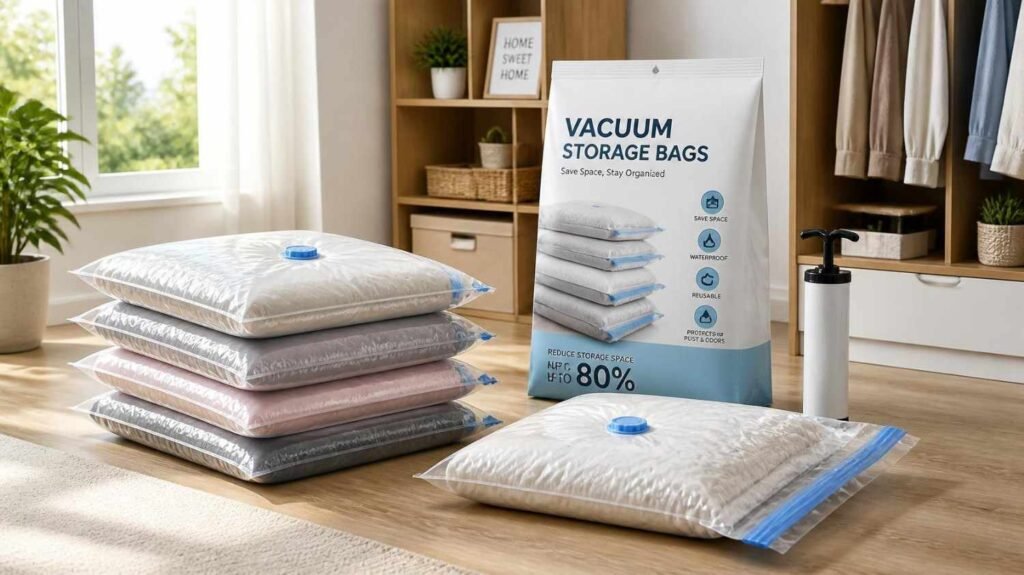
1. Vacuum Storage Bags
Vacuum storage bags compress bulky clothing and can be especially useful for seasonal sweaters, jackets, blankets, and other large items.
2. Hanging Garment Bags
Hanging garment bags are useful for protecting suits, dresses, coats, formalwear, and special-occasion clothing from dust while keeping them ready to wear.

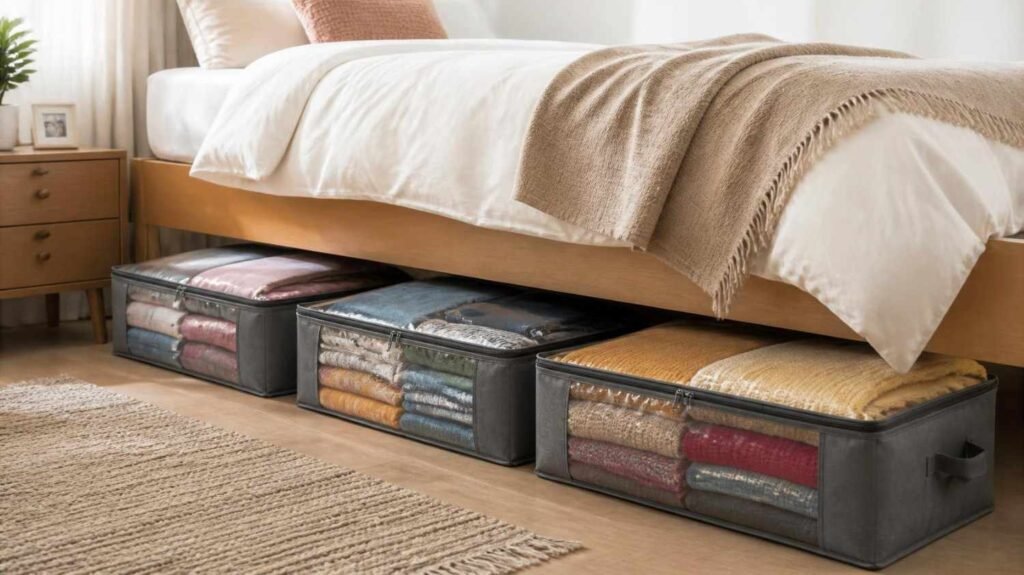
3. Under-Bed Storage Bags
Under-bed storage bags make use of an often-forgotten storage space. They’re useful for seasonal clothing, spare bedding, and other items that aren’t needed every day.
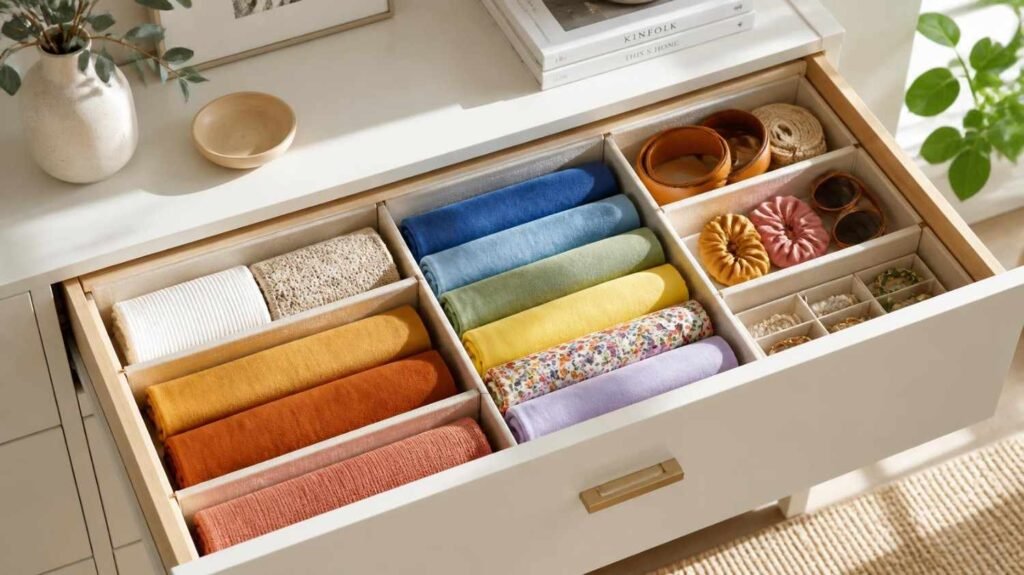
4. Drawer Dividers
Drawer dividers help organize smaller clothing items such as socks, underwear, scarves, and accessories.
They make it easier to keep drawers tidy and quickly find what you need.
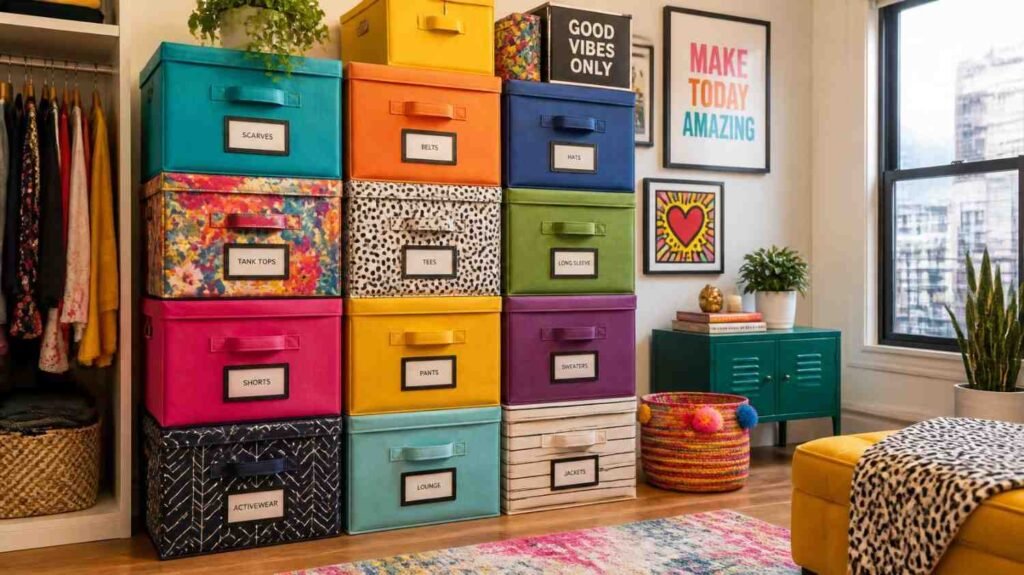
5. Closet Storage Boxes
Closet storage boxes are useful for folded seasonal clothing and accessories. Choose breathable materials when appropriate for the garments being stored.
6. Hanging Closet Organizer
A hanging closet organizer creates additional vertical storage space for folded clothes, scarves, accessories, and other smaller items.
It’s especially helpful when closet shelves or drawers are limited.
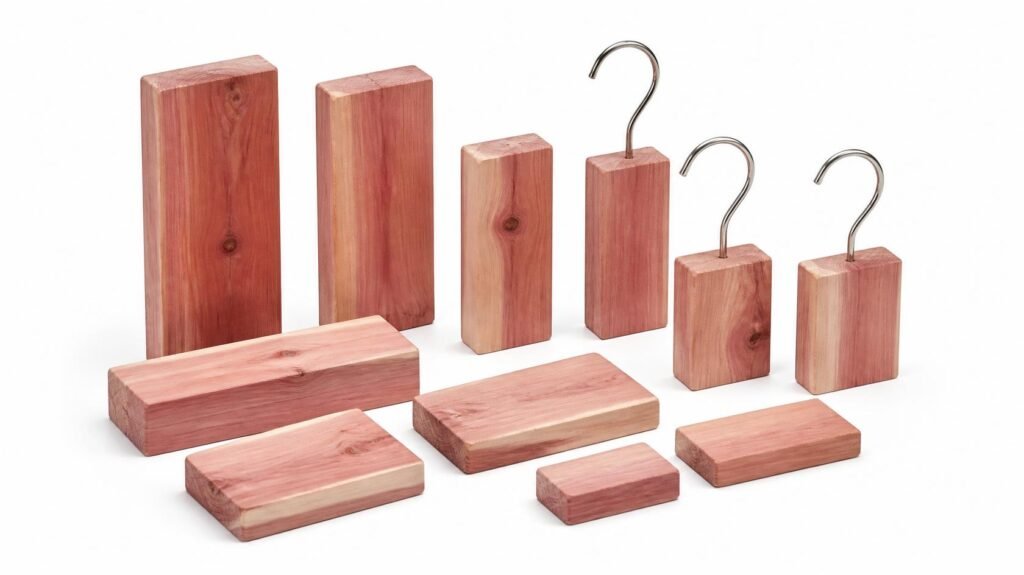
7. Cedar Storage Blocks
Cedar storage blocks are a simple addition to closets and clothing storage areas. They provide a natural wood scent and are commonly used with stored clothing.
Place them according to the manufacturer’s instructions and avoid direct prolonged contact with delicate fabrics when recommended.
Final Thoughts
Taking care of your clothes doesn’t have to mean spending hours doing laundry or buying dozens of specialized products.
A few simple tools—a fabric shaver, lint roller, clothes brush, steamer, sleeve board, protective ironing cloth, sweater comb, stain remover, and laundry bags—can make everyday fabric care easier.
The most important habit is to follow the care label, use the right washing and drying method, avoid unnecessary heat, and store clothing properly once it is clean and completely dry.
With the right routine and a few helpful tools, you can keep your wardrobe cleaner, more organized, and looking its best for longer.