Simple Weight Loss & Home Fitness Guide for Women
Losing excess body fat and becoming healthier doesn’t require an expensive gym membership, complicated workout plans, or extreme diets.
For many women, the biggest challenge is simply finding a fitness routine that is easy to start, realistic to maintain, and convenient enough to fit into everyday life.
Walking regularly, doing strength exercises, moving more throughout the day, eating nutritious foods, sleeping well, and staying consistent can all contribute to a healthier lifestyle.
And with a few simple pieces of home fitness equipment, you can make staying active much easier.
Start Simple and Stay Consistent
When it comes to healthy weight loss, consistency matters more than doing the hardest workout possible.
A good routine can include:
- Regular walking
- Strength training
- Light cardio
- Stretching and mobility
- More movement throughout the day
- Balanced, nutritious meals
- Adequate sleep and recovery
You don’t have to do everything at once. Start with activities you enjoy and gradually build your routine.
1. Walking: One of the Easiest Ways to Get Moving
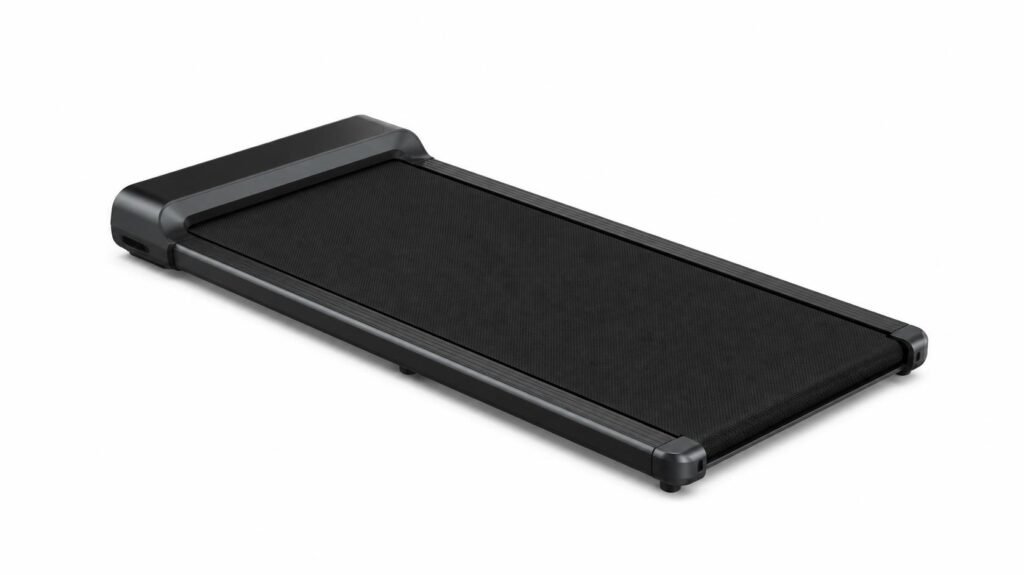
Walking is an excellent starting point for women who are new to exercise or simply want an easy way to become more active.
A walking pad or treadmill can make it easier to walk at home regardless of weather. You can use it while listening to music, watching a show, or simply taking a break from sitting.
Regular walking can support cardiovascular fitness and help increase your overall daily activity.
Best for: Walking, light cardio, and increasing daily movement.
2. Add Strength Training With Dumbbells
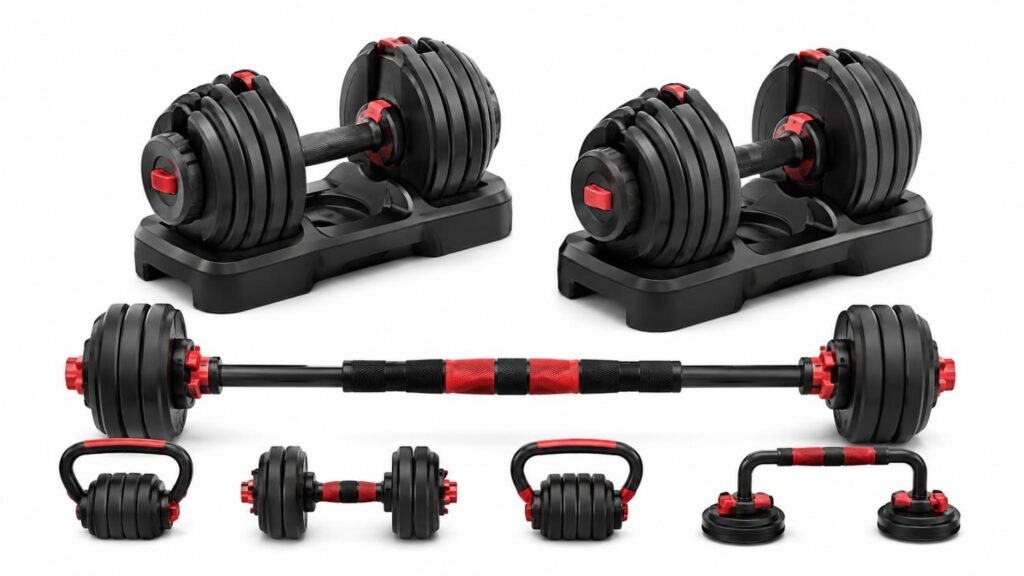
Strength training is an important part of a balanced fitness routine.
Adjustable dumbbells are particularly convenient because you can change the resistance as your strength improves without needing a large collection of weights.
Simple exercises such as squats, rows, presses, lunges, and deadlifts can work multiple muscle groups.
Strength training can help you build and maintain muscle while supporting your overall fitness.
Best for: Full-body strength workouts at home.
3. Resistance Bands for Simple Full-Body Workouts
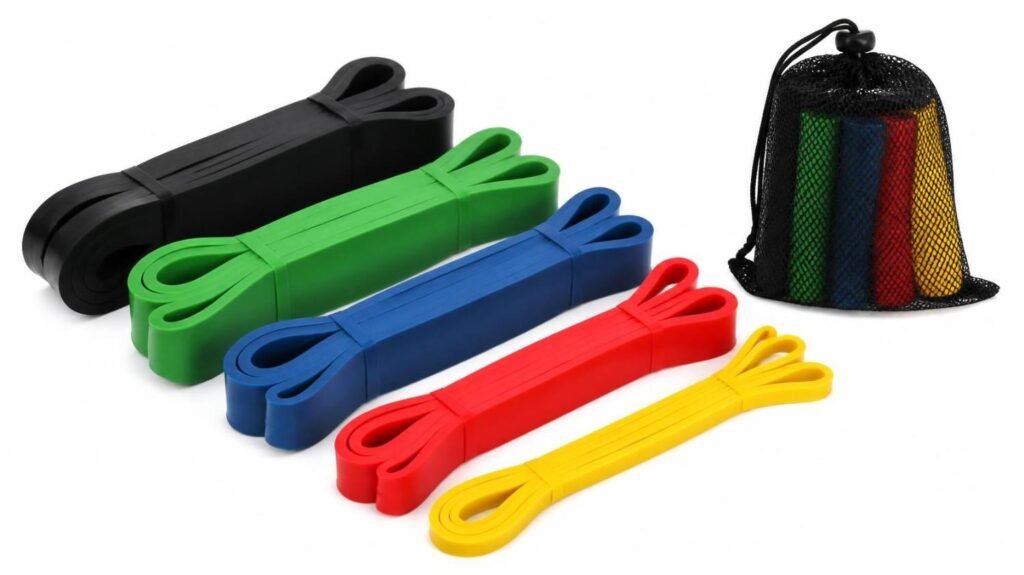
Resistance bands are inexpensive, lightweight, and easy to store.
They can be used for exercises targeting your legs, glutes, back, shoulders, arms, and core.
They’re also useful for beginners because you can start with lighter resistance and gradually progress.
Best for: Beginners, travel, home workouts, and strength exercises.
4. Move More While Working With an Under-Desk Bike
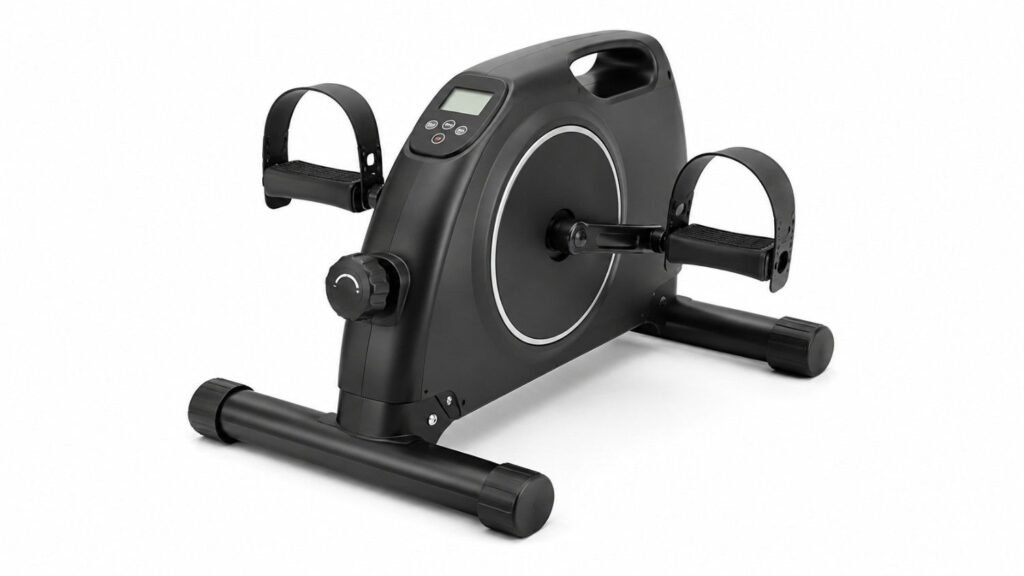
Many women spend hours sitting while working, studying, or watching television.
An under-desk bike exerciser can provide a convenient way to add light movement during periods of sitting.
It isn’t a replacement for a proper workout, but it can be a practical option for adding more activity to your day.
Best for: Light movement while working or sitting.
5. Try a Step Platform for Simple Cardio
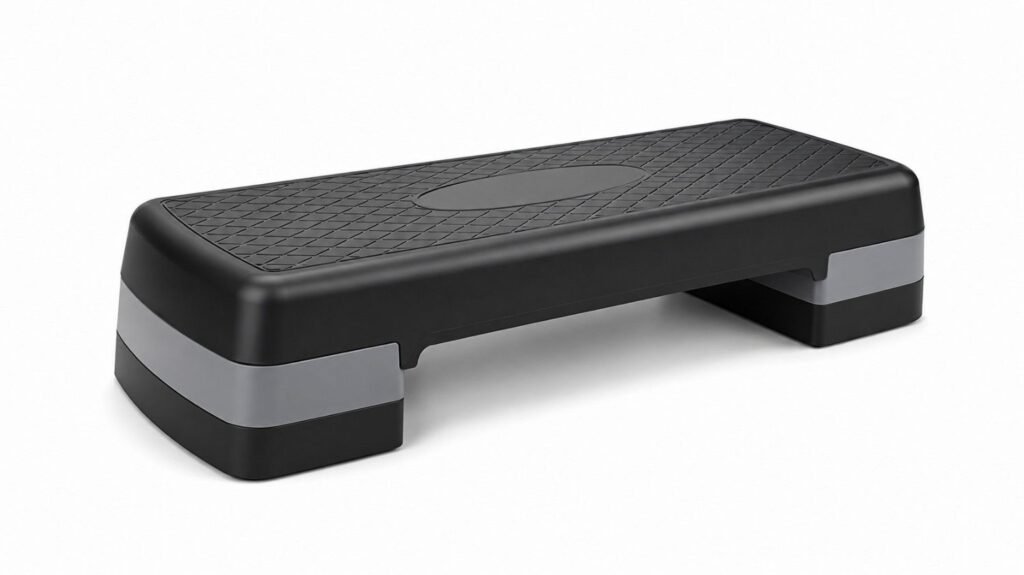
A step platform can turn a small space into a simple home workout area.
You can use it for step-ups and other low-impact exercises or incorporate it into short cardio routines.
It is particularly useful if you want something compact without purchasing a large piece of equipment.
Best for: Home cardio and lower-body workouts.
6. Vibration Machines: An Optional Fitness Tool
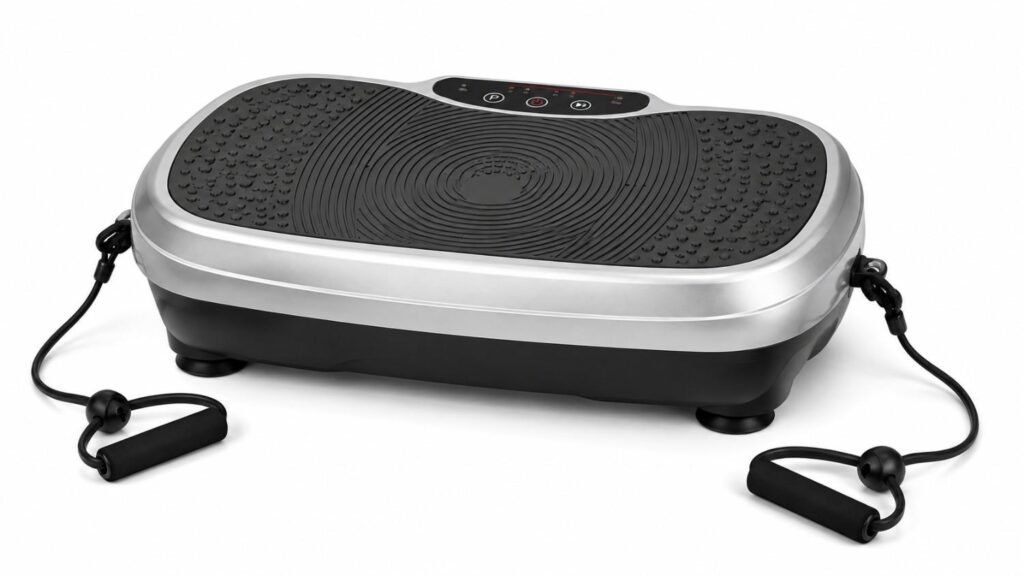
Vibration exercise machines have become popular in home fitness.
They can provide a different type of exercise stimulus and may be used alongside other activities such as stretching, balance exercises, or simple bodyweight movements.
However, a vibration machine shouldn’t be treated as a magic fat-burning solution. Healthy weight management still depends on your overall lifestyle and regular physical activity.
Think of it as an optional addition to your fitness routine—not a replacement for walking or strength training.
Best for: An optional addition to a broader home fitness routine.
7. Kettlebells for Strength and Conditioning
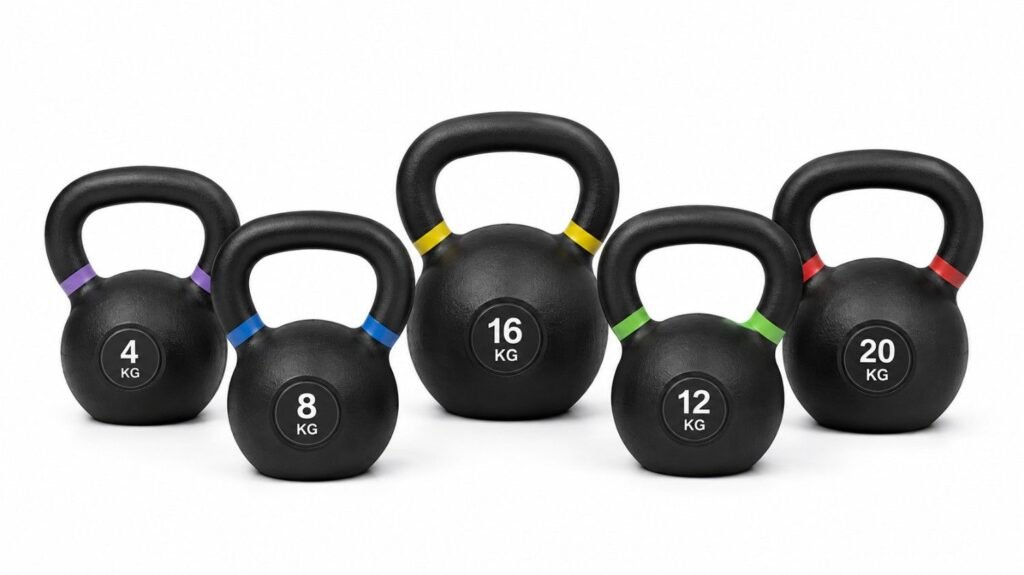
A kettlebell can provide plenty of workout possibilities without taking up much space.
Exercises such as deadlifts, squats, carries, and appropriately learned kettlebell movements can challenge several muscle groups.
If you’re new to kettlebell training, start with a manageable weight and learn proper technique before progressing.
Best for: Strength, conditioning, and full-body workouts.
8. Don’t Forget a Comfortable Exercise Mat
A good exercise mat is one of the simplest things you can add to your home workout area.
It provides a more comfortable surface for stretching, floor exercises, core workouts, yoga, and bodyweight exercises.
Look for a mat with enough cushioning and grip for the activities you plan to do.
Best for: Floor exercises, stretching, yoga, and home workouts.
9. Track Your Progress With a Smart Scale
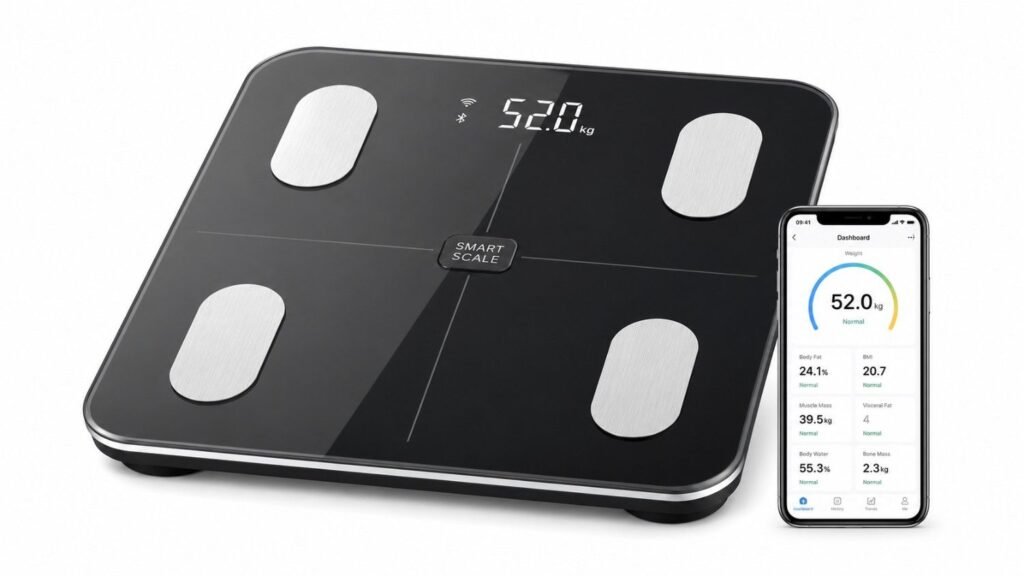
A smart body composition scale can help you monitor changes over time.
Weight can naturally fluctuate from day to day, so don’t become overly focused on a single measurement.
Instead, look at longer-term trends and consider other signs of progress, such as improved strength, increased stamina, better workout consistency, and how your clothes fit.
Body-composition readings from consumer scales are estimates and shouldn’t be treated as exact measurements.
Best for: Tracking weight trends and fitness progress.
10. Use a Foam Roller for Recovery
Exercise isn’t only about working hard. Recovery matters too.
A foam roller can be useful for self-massage and mobility work before or after exercise.
It can be a simple addition to your routine, particularly if you spend a lot of time sitting or regularly exercise.
Best for: Mobility, recovery, and relaxation after workouts.
A Simple Weekly Home Fitness Routine
You don’t need to exercise intensely every day.
Here’s a simple example of how you could organize your week:
Monday:
Walking + dumbbell strength training
Tuesday:
Light walking + stretching
Wednesday:
Resistance-band workout + walking
Thursday:
Light activity or recovery
Friday:
Walking + dumbbell or kettlebell workout
Saturday:
Longer walk or light cardio
Sunday:
Rest or gentle stretching
You can adjust the routine according to your fitness level, schedule, and preferences.
If you’re new to exercise, start gradually rather than trying to do everything immediately.
What About Nutrition?
Exercise is only one part of healthy weight management.
Your everyday eating habits matter too.
Focus on a balanced diet that includes foods such as vegetables, fruits, whole grains, lean protein sources, and healthy fats. Try to build meals that are satisfying and provide the nutrients your body needs.
You don’t need to follow extreme diets or completely eliminate individual foods to make healthier choices.
Small, sustainable changes are often easier to maintain than drastic short-term restrictions.
Don’t Ignore Sleep and Stress
A healthy lifestyle isn’t only about workouts and food.
Getting enough sleep and managing stress are also important parts of overall well-being.
If you’re constantly exhausted, it can become much harder to stay active and maintain healthy habits.
Try to create a consistent sleep routine, take breaks during busy days, spend time outdoors when possible, and find activities that help you relax.
Focus on Progress, Not Perfection
Your fitness journey doesn’t have to be perfect.
Some days you’ll complete a full workout. Other days you might only have time for a short walk.
That’s okay.
The goal is to create habits that you can continue over the long term.
Instead of asking, “How quickly can I lose weight?”, try asking:
“How can I become a little healthier and more active every week?”
That mindset can make the process much more sustainable.
Final Thoughts
Healthy weight management doesn’t have to mean spending hours in a gym or following an extreme fitness program.
Start with simple habits: walk more, strengthen your muscles, move throughout the day, eat nutritious foods, sleep well, and stay consistent.
The right home fitness equipment can make these habits easier and more convenient—but the equipment itself isn’t the solution.
Your daily habits and consistency are what matter most.
Choose a few activities you enjoy, start at a comfortable level, and gradually build from there.
Small steps, repeated consistently, can become a healthier lifestyle.